By Laura Odom
On a rainy summer day in 2005 in the forests near El Valle de Antón, Panama, herpetologists Edgardo Griffith and Heidi Ross went on a rescue mission. The goal of this ribbit-ing hunt was to collect specimens of endangered frog species and propagate their numbers in captivity, safe from a growing epidemic of the amphibian fungal infection chytridiomycosis. Among the recovered frogs and tadpoles were several dozen individuals of the yet-to-be-classified species Ecnomiohyla rabborum, commonly known as Rabbs’ fringe-limbed treefrog. However, captive breeding programs would soon prove ineffective, and 7 years later, one Rabbs’ fringe-limbed treefrog named Toughie earned the unfortunate distinction of being the last of his species.

Toughie was already an adult frog when he was rescued by researchers in 2005, and he shortly became one of his species’ only hopes for survival as most of the rescued tadpoles and several other adult Rabbs’ fringe-limbed treefrogs did not thrive in their new captive habitats. Toughie sired tadpoles with a female of his species, but all captive-bred offspring turned out to be nonviable. In 2009, the female adult Rabbs’ fringe-limbed treefrog died, and the only other known specimen in the world besides Toughie was another male. In 2012, the other male also died, and Toughie became an endling: the last living member of his species. Toughie lived 4 more years in Atlanta Botanical Garden’s “frogPOD,” a biosecure enclosure for critically endangered amphibians until he died from natural causes. While the Garden’s specialized care team undoubtedly provided Toughie with extraordinary husbandry, his final years must have also been lonesome. Unfortunately, Toughie’s story is not a rare one. As we progress through what many experts agree is Earth’s 6th great mass extinction event, many species are disappearing, one endling at a time.
The Holocene extinction is the ongoing potential mass extinction event caused by human predation, agriculture, travel, and habitat destruction. Some scientists debate whether we’re already in a mass extinction event or just on the verge of one. However, the current extinction rate is cited as 100-1,000 times higher than the hypothetical extinction rate in the absence of humans and 10-100 times higher than the extinction rate during previous mass extinction events. The endangerment and extinction of species is not limited to Rabbs’ fringe-limbed tree frogs. Some notable examples include the blue whale, which was hunted to near-extinction in the 20th century; the mountain gorilla, which has suffered extensive habitat loss due to the logging; and the Hawksbill sea turtle, whose numbers have dwindled due to coral reef and nesting ground destruction and accidental capture in fishing nets.
The decline or extinction of approximately 30% of the world’s amphibian species, including the Rabbs’ fringe-limbed treefrog, is largely attributed to an infection of Batrachochytrium dendrobatidis, or amphibian chytrid fungus. This fungus causes chytridiomycosis, a disease that causes the thickening of the amphibian’s keratinized skin, hindering its ability to absorb environmental nutrients, dispel toxins and waste products, and in some species, respirate. How has this sinister infection become so ubiquitous to be classified as a pandemic? While there are likely numerous contributing factors, including the spread of spores by migrating birds, the proliferation of B. dendrobatidis has primarily been traced to the pet trade, specifically the transport of asymptomatic carrier species like the African clawed frog and American bullfrog. Exotic pets with extensive husbandry demands are frequently released into the wild by inexperienced owners; thus, a direct transmission route to native amphibians is established. Currently, there are no feasible measures to control the fungus and disease in wild populations, but researchers are actively testing several antifungal and probiotic approaches for their potential to mitigate disease spread. While this particular fungal infection is unique to amphibians and some crayfish species, the story is similar to that of countless species across the globe. Human expansion continues to threaten biodiversity, but environmentalists are committed to slowing this crisis by reducing harm and rehabilitating endangered environments and species.
In December 1973, the United States enacted the Endangered Species Act (ESA), with the forefront implementing agencies being the US Fish and Wildlife Service (FWS) and the US National Oceanic and Atmospheric Association (NOAA). In its 50 years of implementation, the ESA has proved highly effective: 99% of species placed on the ESA’s protection list have evaded extinction. The ESA’s success is owed to numerous factors, including the collaborative spirit it has fostered between leading scientists and legislators at the federal, state, tribal, and local levels. Experts predict that continued success will rely on collaboration with international parties through legislation like the Convention on International Trade in Endangered Species (CITES) and using innovations in genetic and technological approaches. Additionally, ESA-implementing agencies will need to consider challenges presented by competing financial interests, navigating local and tribal laws, and the ethics of approaches like gene editing and translocation.
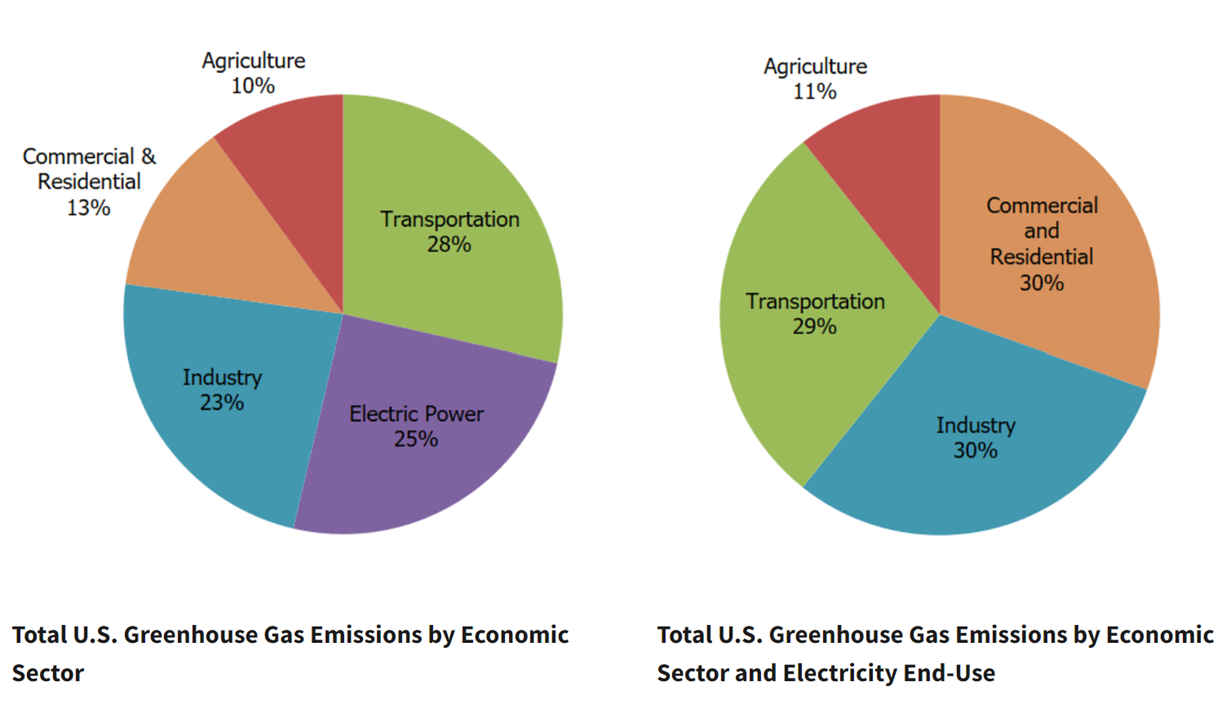
Environmental conservation and climate change are polarizing topics, especially in the United States. Strong adherence to partisan beliefs, psychological distancing, and cognitive dissonance about lifestyle change may lead to climate change denial, even with scientific consensus verifying the current environmental crisis. Conversely, many individuals have become paralyzed with ecoanxiety due to feelings that Earth’s demise is inevitable. Fierce debates on individual vs. corporate responsibility are ongoing with no end in sight, further increasing confusion and perceived powerlessness in many individuals. In fact, fossil fuel companies like ExxonMobil have faced lawsuits over deceiving investors and consumers regarding the extent of corporate contributions to climate change risks. In 2021, residential energy use accounted for only 9.1% of US carbon emissions. While it is true that these numbers pale in comparison to the industrial sector, this doesn’t mean that individuals and households play no role in climate change and its mitigation. When factoring in the use of electricity, the greenhouse gas burden of the commercial and residential sector in 2021 rises from 13% to 30%, equal to that of the industrial sector (Figure 2). However, the industrial sector consists of fewer entities, each producing significantly greater emissions than individual households.
So, what can we individuals do? In addition to reducing waste through reducing, reusing, and recycling, reducing unnecessary transportation, and opting for more sustainable food options, our responsibilities lie in advocating for change. Advocacy includes voting for candidates who prioritize climate action, supporting renewable energy, and investing in community awareness. Additionally, we can educate ourselves on local endangered species and engage in wildlife-friendly practices. These practices include keeping native plants in our yards when possible and refraining from releasing captive and invasive species into the wild. Although most experts agree that we are experiencing a mass extinction event, we don’t have to give up hope. Through regulations by ESA-implementing and similar agencies, advocacy by individuals and interest groups for climate action, and making many small pro-environmental changes that add up, we can prevent further extinction of species like the Rabbs’ fringe-limbed treefrog. Together with researchers working to arrest the spread of chytridiomycosis and preserve the habitats of amphibians across the world, we can create a future with one less lonely frog.
TL;DR
- Endangered species like Rabbs’ fringe-limbed treefrog are disappearing at an alarming rate
- Experts believe we are experiencing a mass extinction event caused by human expansion
- To slow the biodiversity crisis, we can support wildlife conservation, advocate for climate action, and make pro-environmental lifestyle changes
 Lions Talk Science