By Niesha Savory
Think for a moment and see if you recognize any of the disorders listed here: type 1 diabetes, lupus (SLE), Rheumatoid Arthritis, Multiple Sclerosis (MS) and Crohn’s Disease. Perhaps you heard of them through classes, readings, or a drug commercial as the jolliest people ever dance behind the catalog of brutal side effects. While these diseases may seem to not have much in common at first glance, they are, in fact, all autoimmune disorders. Autoimmune diseases (AIDs) include over 100 unique disorders that vary in just about everything: age of onset, flare-up triggers, symptoms, and genetics, to the type of immune cell(s) involved in disease pathogenesis.
The immune system exists to eradicate the body of life-threatening infectious agents. In AIDs, however, the immune system turns on the very body it is meant to protect. AIDs are relatively common; about 10% of people worldwide are estimated to have an AID.1 10% of the global population equates to about 800 million people, or the entire populations of the United States, Nigeria, Guyana, Belize, Gibraltar and Brazil combined.
AIDs can be debilitating to patients. The immune system mistakenly targets healthy tissue and organs instead of fighting off infections, leaving patients prone to other illnesses. Worse is that some people can have more than one AID. Within the population of people diagnosed with an AID, about 25% of people will develop a second.2
Living with AIDs can be difficult. Obtaining a diagnosis can take years due to the vagueness of symptoms. Signs such as joint pain, digestive issues, or fatigue can apply to a large range of medical disorders including different types of cancer. As a result, patients live under hardship and pain before and during their lifelong treatment. Immunosuppressants, the most common treatment options available, can leave AID patients prone to opportunistic infections; infections that take advantage of the suppressed immune system, as otherwise these germs could be dealt with swiftly.3 AIDs not only impact a person’s body, but can be detrimental to their day-to-day lives and mental health—they can be unable to do certain activities and develop lingering worries that can manifest into depression and anxiety.4 For even more accounts, read the stories of others who have to manage their own AIDs here.
AIDs can be a scourge on a person’s quality of life as they are lifelong and have no cure. Lingering questions remain of how does an AID develop? Is there really no hope for a cure?
What Goes Wrong in Autoimmune Disorders?
How a person develops an AID is extremely complex, with an interplay of genetic and environmental factors that can increase one’s risk of development. The main component of an AID is the immune system and the diverse immune cells which make it up. The immune system as a whole is divided into two branches: the innate immune system and the adaptive immune system (Figure 1). The innate immune system is the first line of defense against invaders. Innate immune cells are non-specific—they respond to common patterns shared by invading pathogens (germs) and they respond quickly.
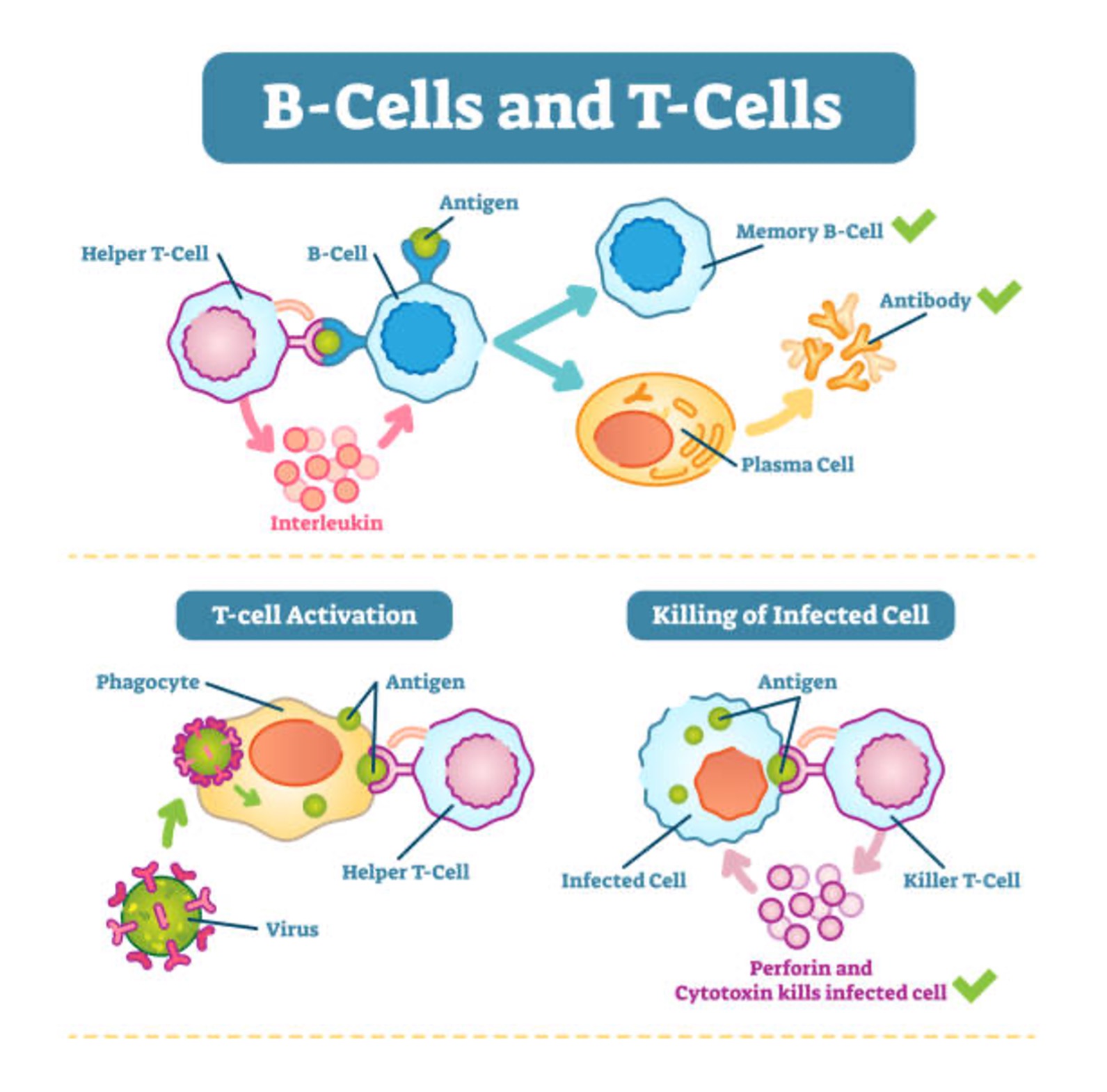
The adaptive immune system takes longer to respond to invading pathogens, corresponding with increased specificity. Lymphocytes (B cells and T cells) make up this arm of the immune response. B cells make up the humoral arm of the adaptive immune system and secrete proteins called antibodies, which tag viruses and bacteria for destruction while also preventing them from infecting cells.5 Antibodies bind to and target antigens, a small portion of an infectious agent. B cells rarely talk to regular body cells; normally, they communicate with other immune cells or react to antigens in the environment to become activated. T cells, the cellular arm of the adaptive immune system, are further split into two groups: CD4 “helper” T cells and CD8 “cytotoxic” T cells. CD4 T cells help further promote the adaptive immune response by activating other immune cells, including B cells, to aid in their antibody production, and help CD8 T cells with directly killing infected cells. In the context of AIDs, B and T cells can differentiate into memory subsets, which are long-lived and have a lower threshold for activation against their specific target.5,6
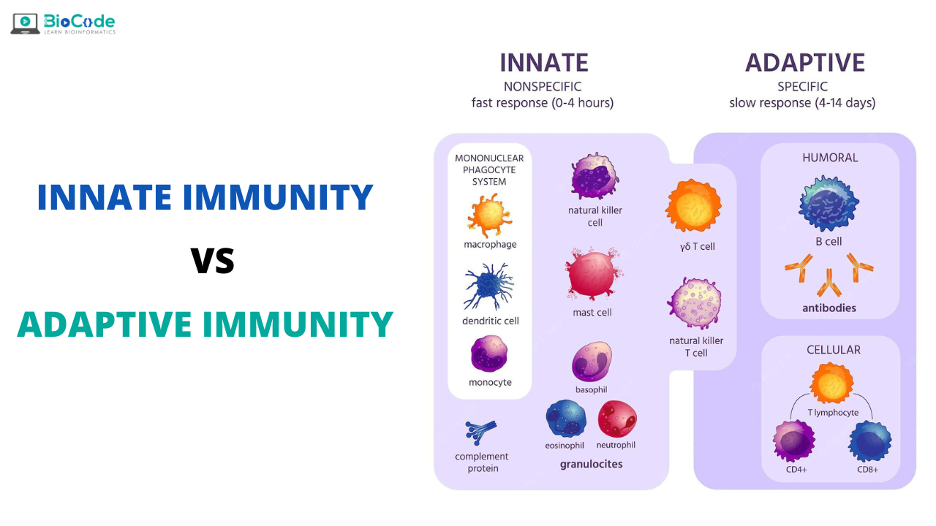
When lymphocytes are fully armed and functional, they can be so lethal that they can damage the very tissues, the very cells, they are meant to protect. Typically, in an (non-AID) infection setting, the cells which were targeted are able to regenerate and almost always fully recover functionality after the infection is cleared. The immune response generated against pathogens is meant to be maintained until the target infectious agent is wiped out. The problem with AIDs, however, is that the immune system is targeting cells that make up the body, causing long-term inflammation. These cells keep coming back, keep regenerating, continuing a vicious cycle which is presumably unable to be fully stopped.
How and Why Does the Adaptive Immune System Attack Its Own?
The T cells and B cells of the adaptive immune system have to be able to respond to a myriad of invaders. Specific proteins, called receptors, are present on their cell surface, which recognize invaders and trigger internal signaling mechanisms to allow for the T and B cells to activate and respond accordingly. On B cells, these receptors are called B cell receptors (BCRs are membrane bound. When they are secreted, they are called antibodies) and on T cells, T cell receptors (TCRs). Think of BCRs and TCRs as “locks,” while their specific antigen is the special “key.” BCRs and TCRs possess variable regions (the keyholes), segments that can be rearranged in different orders, which function to generate a vast repertoire of T cells and B cells so that they can respond to a whole slew of different pathogens that could ever infect an individual organism.7 Variable regions are highly diverse and are the portion of the TCR or BCR which directly binds to antigens on infectious pathogens. These receptors are what allow B cells and T cells to become activated and perform their specific roles, as shown in Figure 2.
Sometimes these receptors can recognize our own cells. Thus, a mechanism known as immune tolerance is in place to prevent this. The goal of immune tolerance is to prevent immune cells from targeting healthy cells. First, when born, lymphocytes have a setting to self-destruct if they don’t pass their selection training. When maturing, lymphocytes are trained in specific tissues (B cells in the Bone Marrow and T cells in the Thymus) through exposure to several self-antigens. For T cells, these self-antigens are expressed by antigen presenting cells on surface proteins called Major Histocompatibility Complex (MHC) molecules. MHC molecules are proteins that almost all our body’s cells express. When infected, cells can chop up larger pathogen proteins into peptides. MHC molecules become bound to such peptides (called an MHC-peptide complex) which allows for MHC molecules to present antigens to matured, naïve T cells (ones which have not seen antigen yet), which can activate T cells if their TCR recognizes the segment. During lymphocyte training, the MHC-peptide complex, rather than having germ antigens, are tested against small pieces of the different body tissues, such as from the heart or the brain. This self-MHC-peptide complex is an essential part of the key, but if it is the only key the TCR recognizes, the T cell could attack that specific tissue. This makes T cell tolerance an important factor in combatting autoimmunity, as a self-reactive T cell can both directly attack and activate B cells to attack.8
During lymphocyte cell training, positive selection takes place, which “rescues” immune cells from their built-in self-destruct setting. If T cells-in-training respond with only a little intensity to MHC molecules (recognizing the self-MHC-peptide as only part of the key), they are allowed to survive. T cells that do not respond at all to MHC molecules with their TCRs eventually die from neglect, as they cannot use any key at all for their lock.8 B cells are allowed to live if they successfully choose a functioning BCR and similarly self-destruct if a BCR is not present or useful.9
A coexisting process involved in immune tolerance is negative selection. If maturing immune cells react too strongly to the body’s specific self-antigens (or MHCs for T cells) presented to them, thinking the body’s tissues itself are the key alone, rather than a specific pathogen, they follow the path of self-destruction.8,9 This process is specifically what can break in the context of AIDs. Together, positive and negative selection of maturing lymphocytes make up central immune tolerance.
For T cells specifically, some degree of self-reaction is needed. T cells must recognize the self-MHC-peptide complex on infected cells to adequately kill them and prevent the spread of infection. Under special circumstances where T cells are more self-reactive than allowed, instead of being killed, these T cells can be converted into regulatory T cells (Tregs), which act to suppress the immune response. Tregs are vital in battling excess inflammation encountered during the natural course of an immune response and in assisting in tissue recovery after the immune response caused damage to tissues.8 Tregs release chemical signals, known as cytokines, that are anti-inflammatory to balance the inflammatory immune response made by non-Treg T cells and other immune cells. So, though the “locks” of Tregs are for self-MHC-complexes, they realize that when their key works in an inflammatory environment, it is because a normal cell is being wrongly targeted. These traits of theirs is what makes them a part of immune tolerance (peripheral immune tolerance), as they can “deactivate” overly reactive immune cells that slipped through initial selection in the thymus.10
In AIDs, a developing lymphocyte that targets self-antigens is allowed to fully mature once bypassing both central and peripheral tolerance. After these lymphocytes mature, they inevitably encounter tissues and once activated by the real self-MHC-peptide complex on said tissue, they make more of themselves (called daughter cells) and erroneously call for an immune response to eliminate the wrong, uninfected, cell.
The triggers and paths of how these self-reactive cells escape are diverse. For example, MHC molecules come from a variety of genes, known as human leukocyte antigens (HLAs). Certain HLA subtypes are heavily correlated with either specific AIDs (HLA-DQ1 is heavily associated with narcolepsy11) or the risk of developing an AID in general (HLA-B27 is associated with several AIDs12 such as reactive arthritis and inflammatory bowel disease). Think of AID-associated HLAs as “universal” key pieces that fit too well with the many locks of BCRs and TCRs. The environment that the immune cells are in within the tissue can also play a role in immune tolerance escape, including certain viral or bacterial infections, toxins, or diet.13 There is no effective cure for any of these disorders, although, there may be potential options soon.
The Potential Therapy of Nanoparticles
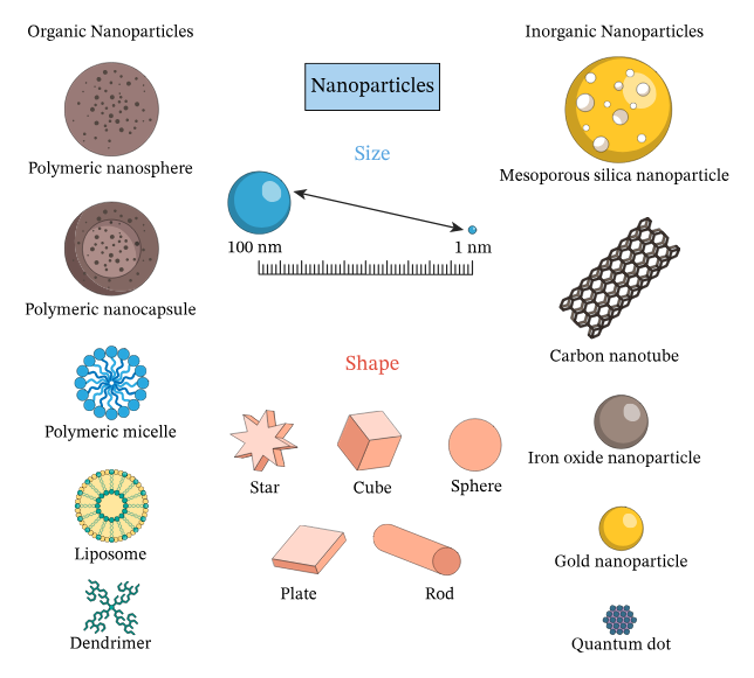
Nanoparticles have started to become a promising therapeutic to treat numerous AIDs. Nanoparticles are pieces of matter that range in diameter from 1-100 nanometers (Figure 3), so small they cannot be seen using light microscopy or by the naked eye. To put this in perspective, an atom of gold has a diameter of 0.14 nanometers. These pieces of matter are tiny, but their size is what makes them mighty. According to the Square-Cube law of mathematics, as molecules or objects get smaller, their volume decreases at a faster rate relative to their surface area.14 With a larger surface area compared to volume, these particles can interact with more of their target, while simultaneously taking up less space. Nanoparticles are miniscule; they can reach areas of the body that conventional medicine is unable to reach, such as the brain and spinal cord.15 Nanoparticles can be made from different materials and come in several shapes (Figure 3), which can be engineered for specific purposes, which can allow for longer-lasting effects. As a result, individuals require smaller doses to get the maximum desired effect.
Nanomedicine—the use of nanoparticles in the diagnosis and treatment of medical disorders—is relatively new, only first being described in 1999. Like many in their late 20s, their potential is immense. Nanoparticles can serve as a targeted molecule delivery system with a variety of effects. For instance, nanoparticles known as Navacims are engineered to bind to self-reactive T cells and reprogram them to instead become anti-inflammatory Tregs. Other nanoparticles target inflammatory cytokines, to neutralize or block their effect.16 Before nanomedicine, cytokine therapies were unable to be absorbed well into the blood and had poor distribution throughout the body.17 Nanoparticles can penetrate deeper into tissues and can protect drugs with shorter half-lives from being degraded and eliminated from the body as quickly. At the same time, when used without other drugs, nanoparticles can be engineered to reprogram body-destructive B and T cells by targeting DNA, offering a potentially safer alternative than existing therapies alone.
Nanoparticle-reprogramming therapies have not yet been approved for widespread use. So far, they have only been approved for delivery of drugs already used for treatments, such as for specific types of cancers18, though many new nanoparticle-reprogramming therapeutics are currently in clinical trials for some AIDs and neurodegenerative diseases. CNP-103, for example, is in the active recruitment phase of its clinical trial, designed to treat Type 1 Diabetes. CNM-Au8 uses gold nanoparticles to target Multiple Sclerosis.
Other nanoparticles are not far behind in development; as new targets are uncovered for various AIDs, nanoparticle therapies can be engineered to target them. Though new, nanomedicine is a promising option that can finally calm the cells erroneously turned against patients’ bodies.
TL; DR:
- There are hundreds of autoimmune diseases, which involve the immune system attacking the body’s cells indiscriminately.
- Nanomedicine is a promising, relatively new type of therapeutic which uses nanoparticles to reprogram cell machinery or more effectively deliver drugs.
- Currently, nanoparticles are being used in clinical trials in the United States to treat disorders such as Multiple Sclerosis and Type 1 Diabetes.
Reference
- Song X, Liang H, Nan F, Chen W, Li J, He L, et al. Autoimmune Diseases: Molecular Pathogenesis and Therapeutic Targets. MedComm (2020). 2025 Jun 16;6(7):e70262. doi:10.1002/mco2.70262 PubMed PMID: 40529617; PubMed Central PMCID: PMC12171081.
- COJOCARU M, COJOCARU IM, SILOSI I. Multiple autoimmune syndrome. Maedica (Bucur). 2010 Apr;5(2):132–4. PubMed PMID: 21977137; PubMed Central PMCID: PMC3150011.
- Handley G, Hand J. Adverse Effects of Immunosuppression: Infections. In: Eisen HJ, editor. Pharmacology of Immunosuppression [Internet]. Cham: Springer International Publishing; 2022 [cited 2026 Jan 17]. p. 287–314. Available from: https://doi.org/10.1007/164_2021_550 doi:10.1007/164_2021_550
- Weiss DB, Dyrud J, House RM, Beresford TP. Psychiatric manifestations of autoimmune disorders. Curr Treat Options Neurol. 2005 Oct 1;7(5):413–7. doi:10.1007/s11940-005-0033-z
- In brief: The innate and adaptive immune systems. In: InformedHealth.org [Internet] [Internet]. Institute for Quality and Efficiency in Health Care (IQWiG); 2023 [cited 2025 Dec 10]. Available from: https://www.ncbi.nlm.nih.gov/books/NBK279396/
- Alberts B, Johnson A, Lewis J, Raff M, Roberts K, Walter P. The Adaptive Immune System. In: Molecular Biology of the Cell. 4th edition [Internet]. Garland Science; 2002 [cited 2025 Dec 10]. Available from: https://www.ncbi.nlm.nih.gov/books/NBK21070/
- Market E, Papavasiliou FN. V(D)J Recombination and the Evolution of the Adaptive Immune System. PLoS Biol. 2003 Oct;1(1):e16. doi:10.1371/journal.pbio.0000016 PubMed PMID: 14551913; PubMed Central PMCID: PMC212695.
- Xing Y, Hogquist KA. T-Cell Tolerance: Central and Peripheral. Cold Spring Harb Perspect Biol. 2012 Jun;4(6):a006957. doi:10.1101/cshperspect.a006957 PubMed PMID: 22661634; PubMed Central PMCID: PMC3367546.
- Nemazee D. Mechanisms of central tolerance for B cells. Nat Rev Immunol. 2017 May;17(5):281–94. doi:10.1038/nri.2017.19
- Oparaugo NC, Ouyang K, Nguyen NPN, Nelson AM, Agak GW. Human Regulatory T Cells: Understanding the Role of Tregs in Select Autoimmune Skin Diseases and Post-Transplant Nonmelanoma Skin Cancers. International Journal of Molecular Sciences. 2023 Jan 12;24(2):1527. doi:10.3390/ijms24021527 PubMed PMID: 36675037.
- Bacelar A, Fernandez O, Paradella E, Rodrigues RN, de CMCR, Alvarenga R. Association between human leukocyte antigen class II-DR-DQ and narcolepsy: a case control study. Journal of Clinical Sleep Medicine. 20(12):1945–53. doi:10.5664/jcsm.11300
- Parameswaran P, Lucke M. HLA-B27 Syndromes. In: StatPearls [Internet]. Treasure Island (FL): StatPearls Publishing; 2025 [cited 2025 Dec 10]. Available from: http://www.ncbi.nlm.nih.gov/books/NBK551523/ PubMed PMID: 31855367.
- Vojdani A, Pollard KM, Campbell AW. Environmental Triggers and Autoimmunity. Autoimmune Dis. 2014;2014:798029. doi:10.1155/2014/798029 PubMed PMID: 25610638; PubMed Central PMCID: PMC4290643.
- Pozzi M, Jonak Dutta S, Kuntze M, Bading J, Rüßbült JS, Fabig C, et al. Visualization of the High Surface-to-Volume Ratio of Nanomaterials and Its Consequences. J Chem Educ. 2024 Jul 3;101(8):3146–55. doi:10.1021/acs.jchemed.4c00089 PubMed PMID: 39157433; PubMed Central PMCID: PMC11328123.
- Hersh AM, Alomari S, Tyler BM. Crossing the Blood-Brain Barrier: Advances in Nanoparticle Technology for Drug Delivery in Neuro-Oncology. Int J Mol Sci. 2022 Apr 9;23(8):4153. doi:10.3390/ijms23084153 PubMed PMID: 35456971; PubMed Central PMCID: PMC9032478.
- Wang R, Kubiatowicz LJ, Zhang R, Bao L, Fang RH, Zhang L. Nanoparticle approaches for manipulating cytokine delivery and neutralization. Front Immunol. 2025 Jun 10;16. doi:10.3389/fimmu.2025.1592795
- Momin N. Balancing safety and efficacy: tuning the biodistribution and pharmacokinetics of cytokine immunotherapies. Current Opinion in Biotechnology. 2023 Dec 1;84:102994. doi:10.1016/j.copbio.2023.102994
- Jia Y, Jiang Y, He Y, Zhang W, Zou J, Magar KT, et al. Approved Nanomedicine against Diseases. Pharmaceutics. 2023 Feb 26;15(3):774. doi:10.3390/pharmaceutics15030774 PubMed PMID: 36986635; PubMed Central PMCID: PMC10059816.


Pingback: Moving beyond COVID: mRNA Steps into CAR T cell therapy for Myasthenia Gravis | Lions Talk Science
Pingback: mFLUVISA: The Flu-ture of the mRNA Vaccine | Lions Talk Science